A well-built custom shed should last for decades when the structure uses proper framing, stable foundations, quality roofing materials, and weather-appropriate construction methods. In Southern Alberta, shed lifespan depends heavily on how the structure handles snow loads, wind exposure, moisture movement, and seasonal temperature swings over time. Poor drainage, weak framing, undersized roofing systems, unstable foundations, and inadequate ventilation often shorten shed lifespan long before exterior materials visibly fail. Fox Buildings helps Lethbridge property owners build custom sheds designed for long-term structural durability under local climate conditions.
Typical Lifespan of a Well-Built Custom Shed
A properly constructed custom shed commonly lasts between 25 and 40 years, depending on structural quality, environmental exposure, roofing performance, ventilation, drainage conditions, and ongoing upkeep. Some higher-quality sheds may last beyond 40 years when the structure uses stronger framing systems, durable roofing materials, stable foundations, and effective long-term moisture control.
Lifespan expectations depend less on the shed category itself and more on how the building was designed and constructed. A smaller shed with proper drainage, durable roofing, and strong framing may outlast a much larger structure built with weaker materials or poor site preparation.
Workshop-style sheds may also experience faster wear on flooring systems, doors, and structural components because heavier equipment, storage loads, and more frequent use place additional stress on the structure over time.
Structural deterioration usually begins in areas exposed to repeated moisture, movement, or weather stress. Roof edges, lower wall sections, flooring systems, corners, and foundation contact points often show wear first when drainage or ventilation problems exist.
Factors That Influence Shed Longevity
Structural lifespan usually depends most heavily on moisture control, framing stability, drainage performance, and roof protection over time. Foundation quality, framing systems, roof design, ventilation, and climate exposure all influence how the structure performs long term.
In Southern Alberta, weather conditions place additional stress on outdoor structures because snow accumulation, freeze-thaw movement, high winds, and rapid temperature swings create repeated expansion and contraction cycles throughout the year.
Foundation and Ground Preparation
Foundation quality plays one of the largest roles in long-term shed lifespan. Uneven settling, trapped water beneath the structure, frost movement, standing runoff, and poor drainage can gradually distort wall framing, shift door openings, and weaken flooring systems over time.
Proper ground preparation helps reduce structural movement beneath the shed. Compacted gravel bases, concrete slabs, skid foundations, drainage planning, elevation above surrounding grade, and stable support systems all help limit moisture exposure and frost-related movement.
Sheds positioned too close to surrounding grade often experience faster deterioration along flooring systems and lower wall framing because moisture exposure remains more consistent near the structure base.
When sheds sit directly on unstable soil or poorly drained ground, long-term structural stress often develops even if the upper structure initially appears well built.
Roofing Materials and Design
Roofing systems protect the structure from continuous moisture exposure, snow accumulation, and seasonal weather changes. Roofing materials commonly require replacement before the structural framing itself reaches the end of its lifespan, especially when shingles, flashing, underlayment, or fastening systems begin deteriorating.
Poor roof drainage, undersized overhangs, and low-quality roofing materials can shorten shed lifespan significantly once water infiltration begins.
In Lethbridge, wind exposure also affects long-term roof durability. High winds can repeatedly stress shingles, flashing, fasteners, ridge caps, and exposed roof edges over time.
Roof slope also influences longevity. Steeper roof designs generally shed snow and moisture more effectively than flatter roof systems, reducing long-term water exposure and ice buildup risks.
Ventilation beneath roofing systems also affects durability. Poor roof ventilation may trap moisture inside the structure and gradually increase the risk of condensation-related deterioration.
Structural Framing Quality
Wall framing, roof framing, floor systems, and structural connection points all affect how well a shed handles long-term loading conditions. Weak framing layouts, undersized lumber, inconsistent spacing, or poor fastening methods can allow movement and gradual structural distortion over time.
Stronger framing systems may include larger lumber dimensions, reinforced connection points, closer framing spacing, or improved load distribution for roof and floor systems.
Larger sheds and workshop-style structures often require stronger framing because roof spans, snow loads, storage weight, and equipment loads increase structural demands.
Floor framing quality also affects longevity. Long-term weight stress from equipment, shelving, or workshop use can gradually contribute to floor sagging or structural movement if framing systems are undersized.
Structural rigidity becomes especially important in climates where snow loads and wind exposure create repeated stress cycles throughout the year.
Weather Exposure in Southern Alberta
Southern Alberta weather creates demanding conditions for outdoor structures. Snow accumulation, rapid freeze-thaw cycles, wind exposure, hail, condensation, moisture swings, and strong seasonal temperature variation all affect long-term shed durability.
Repeated freeze-thaw movement can gradually affect foundations, roofing systems, fasteners, siding materials, and structural connections over time. Strong winds may also push moisture into exposed joints, roof edges, siding seams, and door openings during storms.
Sun exposure can accelerate deterioration of paint, stain, siding finishes, and exposed exterior materials over time. Hail exposure may also shorten roofing lifespan or damage exposed exterior finishes depending on storm severity and roofing material selection.
Sheds with poor ventilation or insufficient moisture control may also experience interior condensation problems during colder months.
Expected Lifespan by Shed Type
Different shed designs often experience different lifespan expectations because roof geometry, storage loads, wall height, and structural complexity affect long-term durability. The lifespan ranges below assume proper drainage, stable foundations, and appropriate construction methods.
| Shed Type | Typical Lifespan | Common Longevity Factors |
|---|---|---|
| Economy Shed | 20 to 30 years | Simpler framing and lighter-duty storage use |
| Single Slope Shed | 25 to 35 years | Drainage design and roof exposure matter heavily |
| Carriage Shed | 30 to 40 years | Steeper rooflines improve snow shedding |
| High Barn Shed | 30 to 40+ years | Larger framing systems and improved storage design |
| Workshop-Style Shed | 30 to 40+ years | Upgraded framing, heavier flooring systems, and increased structural reinforcement |
Carriage and high barn shed styles often perform better long term because steeper roof geometry improves snow shedding and reduces prolonged moisture exposure across roofing systems.
Larger sheds do not automatically last longer than smaller ones. Structural quality, environmental exposure, drainage conditions, and construction methods usually influence lifespan more than size alone.
Workshop-style sheds and larger custom buildings often include stronger framing systems and heavier structural components because the building must support higher loads and larger spans.
Signs a Shed Was Built to Last
Long-term durability usually becomes visible through construction quality rather than appearance alone. Stable foundations, straight framing lines, proper roof drainage, reinforced openings, and consistent material installation often indicate stronger long-term structural performance.
Well-built sheds usually maintain square door openings, stable rooflines, and consistent floor levels over time. Sagging ridges, shifting doors, uneven flooring, visible wall movement, recurring moisture intrusion, condensation buildup, staining, or mold odors often indicate underlying structural or ventilation concerns.
Roof drainage quality also affects long-term durability. Proper overhangs, effective runoff management, sufficient slope angles, and gutter systems can all help reduce prolonged moisture exposure around the structure.
Higher-quality sheds also tend to include stronger hardware, rust-resistant fasteners, reinforced framing connections, durable hinges, stronger door systems, better roof detailing, and more durable exterior finishing systems designed for long-term weather exposure.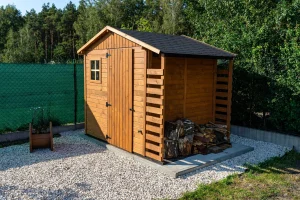
How Climate in Lethbridge Impacts Shed Durability
Climate conditions in Lethbridge place consistent stress on detached outdoor structures throughout the year. Wind exposure, snow loads, rapid temperature swings, dry summers, freeze-thaw movement, UV exposure, and hail all influence how sheds age over time.
Winter snow accumulation increases roof loading, while spring thaw cycles can affect drainage conditions and foundation stability. Strong Chinook-driven temperature shifts may also accelerate expansion and contraction within roofing materials, fasteners, siding systems, and structural connections.
Dry summer conditions and prolonged UV exposure can gradually accelerate deterioration of exterior paint, stain, and siding finishes. Hail exposure may also damage roofing materials and exposed exterior surfaces depending on storm severity.
Fox Buildings designs custom sheds for Southern Alberta conditions by considering snow management, wind exposure, roof drainage, structural reinforcement, ventilation, and long-term environmental durability during the planning process.
When Repairing or Replacing a Shed Makes Sense
Repairing a shed usually makes sense when the primary structure remains stable and deterioration stays isolated to roofing, siding, doors, trim, or localized moisture damage. Surface-level wear and aging often remain repairable if the framing system and foundation still perform properly.
Replacement becomes more practical when widespread structural movement, repeated water intrusion, severe rot, major foundation instability, roof sagging, uneven flooring, sticking doors, or visible settling affect multiple structural systems simultaneously.
Older sheds may still remain structurally sound when moisture exposure, drainage conditions, and structural movement stayed controlled throughout the life of the building. In other situations, older sheds may become functionally outdated even when major structural failure has not fully occurred.
Limited wall height, poor storage layout, insufficient framing strength, or undersized dimensions sometimes make replacement more practical than major structural modification.
Fox Buildings helps property owners evaluate whether an existing shed still offers long-term structural value or whether replacement provides a better long-term solution for durability, storage needs, and future property use.