
Planning a small garage for one vehicle requires more than simply choosing a structure large enough to park a car. Vehicle dimensions, storage needs, driveway placement, walking clearance, and property layout all affect whether a one-car detached garage will function properly long term. In Lethbridge, smaller detached garages often work well for homeowners who need protected parking, limited storage, or basic workspace without using the lot space required for a larger structure. Fox Buildings helps homeowners plan detached garages that balance vehicle access, storage capacity, and usable interior space.
When a One-Car Garage Makes Sense for Your Property
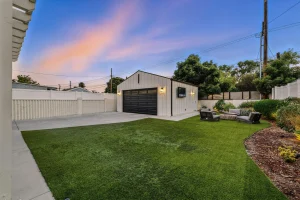
A one-car detached garage often makes sense when the property has limited backyard space, a narrow lot layout, or only one primary vehicle requiring covered storage. Smaller garages also work well for homeowners who prioritize parking protection over large workshop areas or extensive storage capacity.
In many Lethbridge neighborhoods, detached one-car garages provide a practical solution for reducing weather exposure, protecting vehicles from snow accumulation, and creating additional storage without overwhelming the property footprint. A smaller detached structure may also reduce construction costs, foundation size, roofing requirements, and long-term maintenance compared to larger multi-vehicle garages.
Some homeowners also choose smaller garages because their primary storage needs already exist elsewhere on the property. In those situations, the garage functions primarily as vehicle protection with limited secondary storage or workspace requirements.
A detached garage often becomes more practical than a large shed when vehicle security, overhead garage doors, electrical requirements, or year-round parking access become priorities. Large sheds may handle seasonal storage effectively, but they usually do not provide the same clearance, slab construction, vehicle access, or long-term durability required for vehicle storage.
Recommended Dimensions for a One-Vehicle Garage
The minimum size for a one-vehicle garage depends on the vehicle itself, desired storage space, interior access requirements, and whether additional workspace or shelving will be included. Compact vehicles require less clearance, while trucks, SUVs, and larger crossover vehicles often need significantly more interior width and depth.
| Garage Size | Typical Use Case | Notes |
|---|---|---|
| 12′ x 20′ | Compact vehicle only | Minimal side clearance and limited storage |
| 14′ x 22′ | Standard sedan or small SUV | Allows basic wall storage and walking clearance |
| 16′ x 24′ | SUV or half-ton truck | More practical for shelving and interior access |
| 18′ x 24′ | Vehicle plus storage/workspace | Better long-term flexibility for tools or equipment |
Smaller garages may technically fit a vehicle while still feeling restrictive during daily use. Door swing clearance, shelving depth, seasonal storage, and movement around the vehicle all affect how functional the interior space feels after construction is complete.
Longer garage dimensions also help accommodate trucks, roof racks, cargo carriers, lawn equipment, and storage cabinets without blocking vehicle access.
Interior Space Planning Beyond the Vehicle
Interior planning becomes especially important in smaller detached garages because limited square footage increases the impact of every layout decision. Vehicle size alone should not determine garage dimensions. Storage access, movement space, shelving depth, and future equipment needs also affect long-term usability.
In many small garages, the difference between a functional layout and a cramped interior comes down to how wall space, walking clearance, and storage placement are planned before construction begins.
Storage Along Walls
Wall storage often works best when shelving depth remains shallow enough to avoid interfering with vehicle doors or walking pathways. Deep shelving can quickly reduce usable floor width inside a smaller garage.
Many homeowners use perimeter wall storage for seasonal bins, tools, lawn equipment, tire storage, or maintenance supplies. In narrower garages, vertical storage systems usually preserve floor space more effectively than wide cabinets or freestanding shelving units.
Ceiling-mounted storage may also help increase usable capacity without reducing vehicle clearance near the walls.
Workspace or Tool Area
A small detached garage can still include limited workspace if the layout accounts for movement clearance around the parked vehicle. Compact workbenches, fold-down tables, and narrow tool storage areas often work better in smaller garages than full workshop garage layouts.
The amount of available workspace usually depends on vehicle width, garage depth, and storage placement. Some homeowners prioritize parking space during winter months while using temporary workspace setups during warmer seasons when the vehicle remains outside.
Electrical placement also becomes more important when the garage includes tools, chargers, compressors, or future workshop equipment.
Clearance for Doors and Walking Space
Daily usability depends heavily on how much clearance remains around the vehicle once the garage is fully built and occupied. A garage that technically fits a vehicle may still feel difficult to use if doors cannot open comfortably or movement paths become restricted.
Side clearance affects how easily drivers and passengers can enter the vehicle, while front and rear clearance influence storage placement and walking access. Larger SUVs and trucks typically require additional width because mirror clearance and door swing angles increase significantly compared to compact vehicles.
Winter conditions in Lethbridge can also reduce usable space temporarily when snow, mud, or seasonal equipment occupies floor areas near entrances.
Choosing the Best Layout for a Small Detached Garage
The best garage layout depends on vehicle type, driveway approach, backyard access, and how the homeowner plans to use the interior space beyond parking. In smaller detached garages, layout efficiency matters more because limited square footage leaves less room for correction after construction begins.
Straight-in layouts generally maximize interior efficiency and simplify vehicle access on narrower properties. Wider garage designs may improve storage flexibility, while deeper layouts often work better for trucks, utility storage, or combined workspace use.
Garage door placement also affects interior functionality. Centered overhead doors usually improve parking alignment inside smaller garages, while offset layouts may create better storage opportunities along one wall.
Roof design can also influence usable interior space. Some homeowners prefer higher ceilings or attic truss systems to increase overhead storage capacity without increasing the garage footprint.
Property Considerations Before Building
Property layout affects where a detached garage can realistically fit and how usable the structure will remain after construction. Driveway alignment, material access, grading conditions, lot width, and backyard spacing all influence garage planning decisions before excavation begins.
Smaller garages still require enough surrounding clearance for construction access, drainage management, roof overhangs, and vehicle maneuverability.
Driveway Alignment
Driveway positioning affects how easily vehicles enter and exit the garage during daily use. Poor alignment may create tight turning angles, difficult reversing conditions, or limited access during winter weather.
On narrower lots, garage placement often needs to balance driveway length, property boundaries, and backyard usability at the same time. Short driveways may also reduce snow storage space during winter months in Lethbridge.
Access for Construction and Materials
Construction access affects excavation, concrete placement, framing delivery, and equipment movement during the building process. Backyard obstructions, fencing, landscaping, overhead lines, and narrow access routes can all complicate detached garage construction.
Limited access conditions sometimes require smaller equipment, staged material delivery, or adjusted construction sequencing. These factors may influence project timelines and overall construction planning.
Backyard and Lot Space Constraints
Lot width, backyard depth, existing structures, and property shape all affect garage placement flexibility. Smaller urban lots often require tighter layout planning to maintain usable outdoor space after construction.
Tree placement, retaining walls, utility lines, drainage slopes, and neighboring structures may also limit where a detached garage can fit safely and practically. In some properties, maximizing garage size may reduce maneuvering space or create long-term access limitations around the structure.
Future property use should also factor into garage placement decisions. Patio space, future additions, RV storage, fencing plans, and landscaping projects can all affect how practical the garage location remains over time.
Small Garage Designs That Work Well in Lethbridge
Smaller detached garages in Lethbridge often perform best when the design matches both the property layout and the homeowner’s long-term storage and parking needs. Compact garages with efficient layouts usually provide better long-term usability than oversized structures squeezed into limited backyard space.
Many homeowners choose slightly larger one-car garage dimensions than initially planned because additional width or depth improves daily functionality significantly once shelving, seasonal storage, and walking space are added. A garage that feels large enough during planning can feel much smaller after interior storage systems and vehicles occupy the space.
Climate also affects garage design decisions in Southern Alberta. Snow accumulation, wind exposure, roof drainage, insulation planning, and seasonal temperature swings all influence how detached garages perform throughout the year. Fox Buildings helps Lethbridge homeowners plan detached garages that balance vehicle clearance, storage capacity, structural durability, and long-term property functionality based on the specific layout and constraints of the property.